Rust Solo Survival Against Zergs and Clans
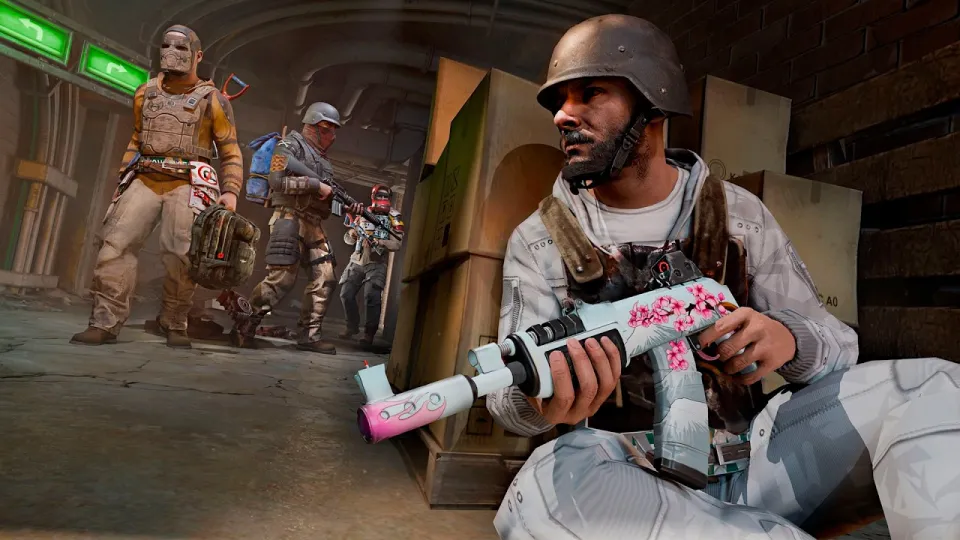
Video: THE SOLO MENACE – Rust
Want articles like this for your own video to promote it on YouTube and Google? Order them through the Telegram bot @sat_sit_bot. The bot writes and publishes the articles itself (with your YouTube video embedded) on popular topical websites (no ads). Your first 50 articles are free.
· based on the channel SPiiCY
Key takeaways
- SPiiCY's solo run covers wipe-day progression, roaming PvP, base defence and a revenge raid against a larger group.
- Solo play on high-population Rust servers means constant risk from zergs, clans and counter-raiders.
- A small, layered solo base is the core defence: cheap to rebuild, awkward to raid, easy to reseal.
- The RustEasy bonus via rseasy.com/spiicy is the main link promoted with the video.
- Hypertune is the FPS tool the creator credits with smoother performance in busy fights.
Rust solo play is about surviving a server full of groups that outnumber you, and the practical answer is a compact layered base, disciplined wipe-day progression and picking fights only when the loot is worth the risk. A solo player does not win by out-farming a zerg; they win by staying mobile, keeping rebuild costs low and turning one good revenge raid into a reset. The RustEasy bonus page linked with the video is the quickest way to see the tools and perks the creator recommends for that grind.
What solo Rust actually demands on a high-pop server
Solo Rust on a busy server is a constant risk-management exercise rather than a fair fight. Groups control monuments, run roams in packs and counter raids the moment explosives go off, so a lone player has to treat every decision as a trade between time, exposure and loot.
The core habits that keep a solo run alive:
- Farm in short, high-value bursts instead of long trips that broadcast your position.
- Keep a stash of rebuild materials so a lost door or wall does not end the wipe.
- Scout before you commit — a raid you cannot finish is worse than no raid at all.
- Rotate your routes so counter-raiders cannot predict where you will be.
- Accept losses fast and re-gear instead of tilting into a fight you cannot win.
SPiiCY's solo run leans on exactly this loop: progress through wipe day, take opportunistic PvP, defend the base when a group turns up, then go back on the offensive once the timing is right.
Building a solo base that survives a zerg
A solo base in Rust should be cheap enough to abandon and annoying enough that a clan decides it is not worth the explosives. The goal is not to be unraidable; it is to make the cost of the raid higher than the loot inside.
Practical design rules for a one-player base:
- Multiple small loot rooms beat one large one, because a raider who blows a single wall gets very little.
- Layer cheap walls and doors so every step deeper costs more sulfur than the last.
- Keep the entrance tight and covered — a narrow corridor removes the advantage of a group pushing together.
- Separate your crafting and storage so a partial breach does not wipe your whole wipe.
- Build away from obvious clan highways and monument chokepoints, but close enough to farm.
The base design shown in the video is the part viewers ask about most, and the creator points to the Patreon membership for full base design tutorials rather than leaving the layout unexplained.
Wipe-day progression for a lone player
Wipe day in Rust compresses the whole progression curve into a few hours, and for a solo the priority order is strict. Getting a starter base down early matters more than getting a gun early, because a gun without a place to store it is just loot for the first group that finds you.
The reliable order of operations:
- Secure a small starter with a door and a sleeping bag before contesting anything.
- Push toward a workbench tier that unlocks the weapons you can actually craft.
- Farm components for explosives and meds in short rotations.
- Take a first real fight only when you have spare gear to lose.
- Convert early PvP wins into raid tools before the server stabilises into clan dominance.
Solo players who try to race groups to the same monuments on wipe day usually lose the race and the kit. The alternative is to farm the quieter parts of the map, let the big groups fight each other, and move in when the noise dies down.
Revenge raids and PvP against bigger groups
A revenge raid is the great equaliser in Rust, because the defending group has to come to you on your terms. When a zerg wipes your base or takes your kit, the correct response is not an immediate counter-push — it is patience, information and a single well-timed breach.
How a solo turns a revenge raid into a reset:
- Track when the group is offline or split across the map before spending explosives.
- Raid through the cheapest wall, not the front door, and bring enough to finish in one session.
- Bring a plan for the loot: know what you are taking and how you are carrying it out.
- Expect counters, and leave yourself an exit route before the first charge goes down.
Viewers of the video repeatedly describe the creator as a menace on the server, and that reputation comes from this pattern — absorbing pressure, then hitting back harder than expected. The same logic applies to base defence: a solo who fights from inside a prepared base with tight angles can beat a group that has to funnel through a doorway.
Performance and tools that matter in solo fights
Frame rate decides fights in Rust more often than most players admit, especially in a solo-versus-group scenario where you are tracking several targets at once. The creator credits Hypertune, linked as https://hptn.gg/spiicy, with smoother performance, and viewers report substantial FPS gains after trying it.
What actually helps a solo player's setup:
- Stable frame times during raids and roams, not just a high average FPS.
- Sensible graphics settings that keep distant players visible.
- Consistent mouse sensitivity so recoil control stays muscle memory across sessions.
- A recording or streaming setup that does not steal frames from the game.
Gear will not fix bad positioning, but a smooth client makes the difference between landing the first shot and watching your kit disappear.
Questions solo players ask most
Solo players watching this kind of gameplay tend to ask the same things: how the base gets built, which servers these fights happen on, and how a lone player keeps coming back after losses. The base layout is covered in the creator's Patreon tutorials, and the answer to the server question is that high-population servers reward map knowledge and route discipline over raw aim.
The mindset question is the important one. A solo run in Rust is a series of losses with occasional big wins, and the players who last are the ones who treat each wipe as practice rather than a verdict on their skill. Rebuilding after a raid is a skill in itself, and it is the one that separates a solo who quits on day two from one who is still raiding on day ten.
All links from the video
- RustEasy bonus and tools: https://rseasy.com/spiicy
- Base design tutorials and membership: https://www.patreon.com/c/spiicyrust/membership
- Alternative Patreon join link: https://www.patreon.com/join/spiicyrust
- Hypertune FPS tool: https://hptn.gg/spiicy
- Community Discord: http://discord.gg/HZjW3RYMGA
Final thoughts on the solo menace approach
Solo Rust is not a weaker version of group play — it is a different discipline built on cheap bases, careful farming and ruthless timing. The run broken down by SPiiCY shows the full arc: a lone player progressing through wipe day, defending a compact base against larger groups, and converting a revenge raid into a comeback. If you want to copy the setup, start with the base design and the RustEasy bonus before your next wipe.
Questions & answers
How does a solo player survive on a high-population Rust server?
By keeping exposure low and rebuild costs cheaper than the loot they carry. Short farming rotations, a compact layered base and fights chosen on your own terms matter far more than trying to out-farm a clan.
What makes a good solo base design in Rust?
Small separate loot rooms, cheap layered walls and a tight entrance that removes a group's numbers advantage. The aim is to make the raid cost more sulfur than the loot is worth, not to be unraidable.
Is a revenge raid worth it as a solo?
Yes, when it is planned rather than emotional. Scout the group's activity, breach through the cheapest wall, bring enough explosives to finish in one session and plan your exit before the first charge goes down.
Does FPS really matter in Rust PvP?
Stable frame times help most in fights against multiple opponents, where tracking several targets at once is the deciding factor. Tools like Hypertune, promoted with the video, are aimed at exactly that kind of consistency.
Source: THE SOLO MENACE – Rust · Markdown version